
Survivorship Bias
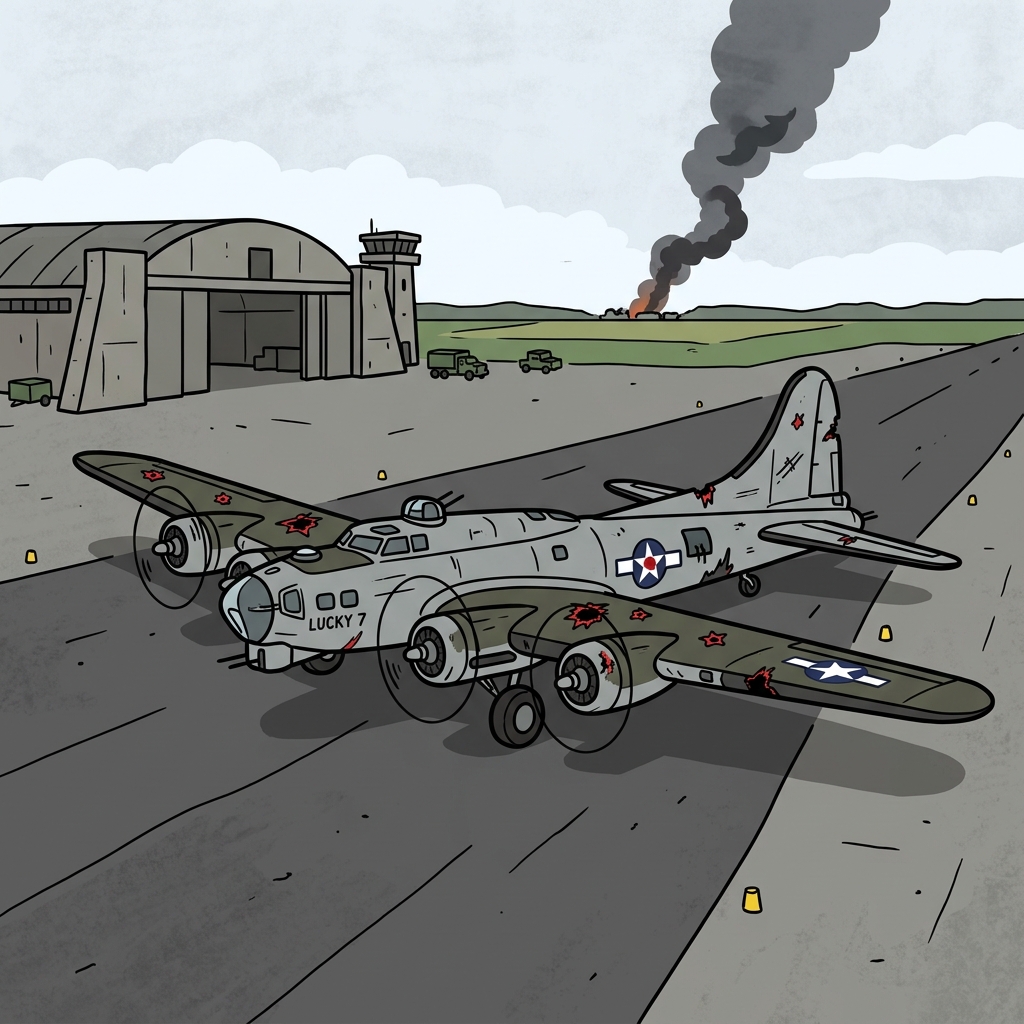
Focusing heavily on the things that 'survived' a process while entirely overlooking those that failed due to lack of visibility.
THE TRAP TEST
1 / 5You read a book by a billionaire outlining their 'morning routine'. You...
👇 Choose one option:
The Missing Data Flaw
Your brain can only process the data that is immediately visible. Success is loud, visible, and celebrated. Failure is quiet, invisible, and buried. Because you only see the winners, your brain falsely assumes that winning is common, and attributes their success to false causes.
The Abraham Wald Insight
During WWII, the military wanted to add armor to planes where returning bombers had bullet holes. Statistician Abraham Wald stopped them. He realized the planes were surviving *despite* those hits. The planes hit in the engines never returned. By adding armor where the holes *weren't*, he saved thousands of lives.
How to Defend Yourself
Seek the Graveyard
Before copying a successful person's strategy, try to find 10 people who used the exact same strategy and failed.
Invert the Problem
Don't ask 'Why did this succeed?' Ask 'What would cause this to fatally fail, and how do I avoid that?'
Ignore Anecdotes
One billionaire's advice is a survivorship anecdote. Only trust large datasets of base rates.