
The IKEA Effect
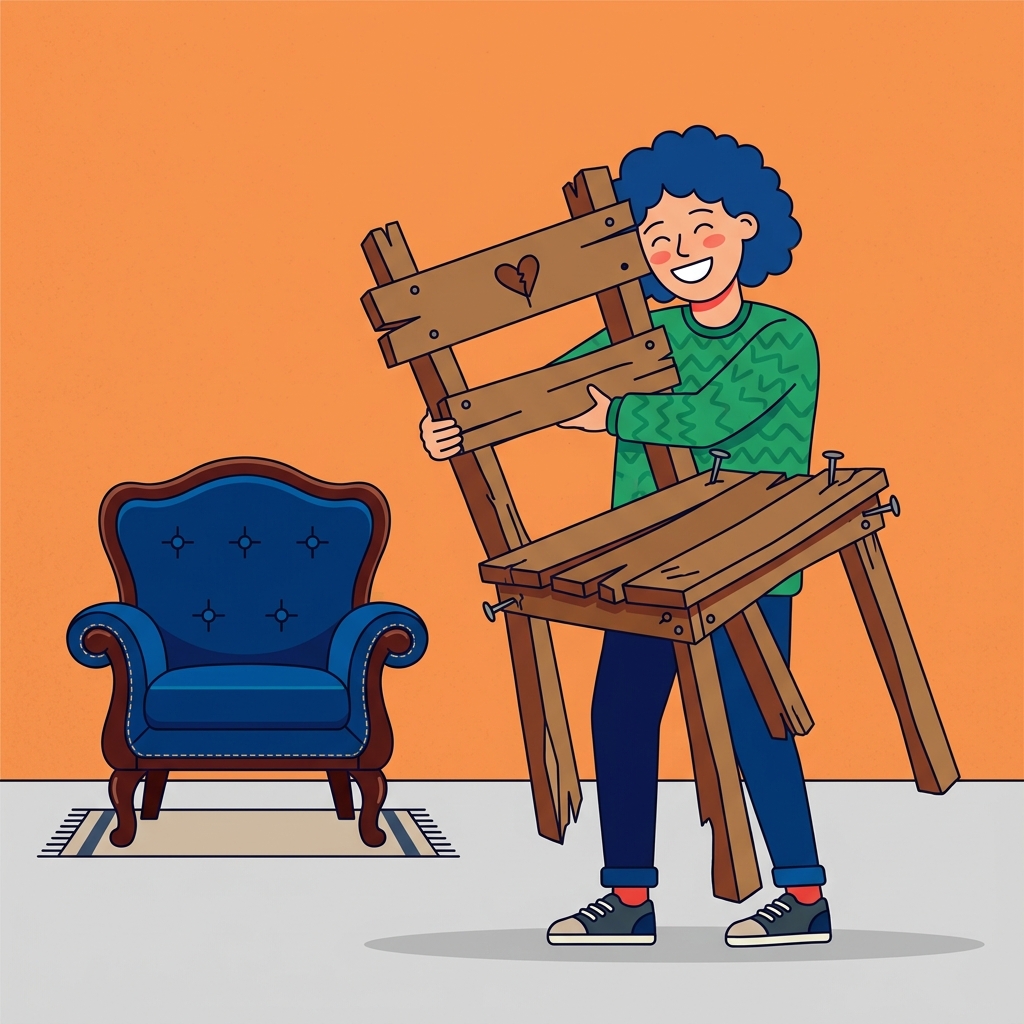
A cognitive bias where we place a disproportionately high value on products or projects we partially created, regardless of the final quality.
THE TRAP TEST
1 / 5You spend an entire weekend building a lopsided bookshelf. A friend offers to buy it. You demand:
👇 Choose one option:
The Sweat Equity Delusion
The human brain heavily correlates effort with value. When you invest time, labor, and frustration into creating something, your ego intertwines with the object. To admit the object is flawed is to admit your effort was wasted, which causes psychological pain. Therefore, the brain hallucinates quality that doesn't exist. This is why founders hold onto failing startups for years, and why you refuse to throw away a hideous table just because you tightened the Allen wrench yourself. Labor leads to love, even when the labor yields garbage.
The Betty Crocker Egg Deception
In the 1950s, General Mills introduced the first instant cake mix. It was a technological marvel—just add water, stir, and bake. It was a massive commercial failure. Housewives refused to buy it. Psychologists discovered the problem: it was too easy. Making a cake just by adding water felt like cheating, depriving the baker of the emotional reward of providing for their family. The solution? General Mills removed dried egg from the formula, forcing the baker to manually crack and add a fresh egg themselves. By adding labor, they induced the IKEA Effect. Sales exploded. The public was manipulated into valuing the product more, simply because it was made harder to use.
How to Destroy Ego-Attachment
The Stranger Test
When evaluating your own work, ask: 'If a stranger handed this to me and asked me to pay for it, how much would I genuinely offer?' Strip away the memory of making it.
Kill Your Darlings Early
The IKEA Effect compounds over time. The longer you work on something, the harder it is to kill. Seek brutal, objective feedback in the first 10% of a project, before the bias sets in.
Celebrate Deletion
Rewire your brain to get dopamine from cutting, optimizing, and destroying your own unnecessary work, rather than just building more of it.