Choice Paralysis
The cognitive short-circuit that happens when having too many options leads to terrible decisions—or zero decisions at all.
THE TRAP TEST
1 / 5You need a new project management tool. You find a list of 'Top 50 Apps'. You...
👇 Choose one option:
The Brain on Overload
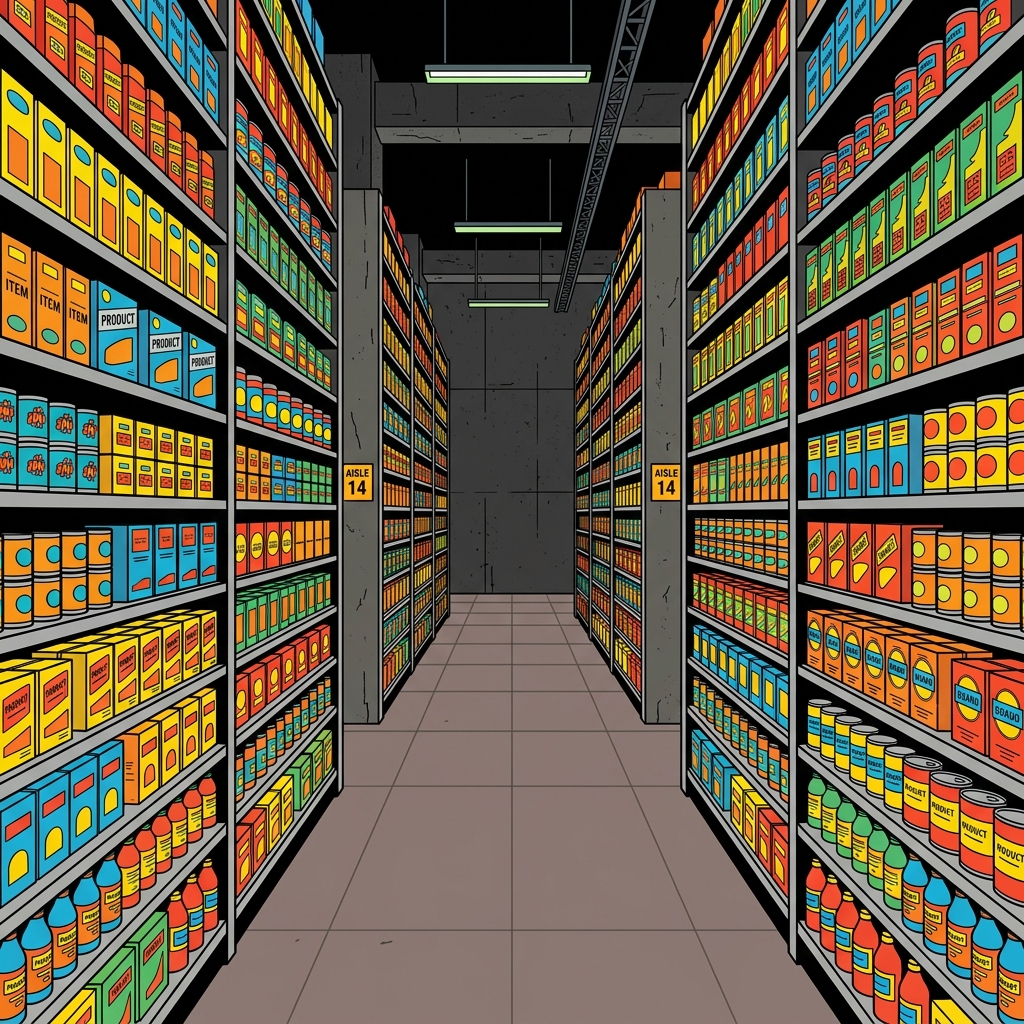
Human brains evolved to handle binary choices: fight or flight, eat the berry or don't eat the berry. When you encounter 45 varieties of toothpaste, your working memory overloads. Each additional option requires exponential cognitive processing to evaluate trade-offs. The brain aggressively rebels against this high-energy tax by flooding you with anxiety, leading to decision fatigue, regret, and ultimately, inaction. We think we want maximum freedom, but neurologically, we crave constraints.
Apple's 1997 Near-Death Experience
When Steve Jobs returned to Apple in 1997, the company was bleeding money and weeks away from bankruptcy. The main culprit? Choice paralysis. Apple was selling dozens of confusingly named Macintosh models (the Performa 5200, the Quadra, the LC, etc.). Consumers didn't know what to buy, so they bought nothing. Jobs ruthlessly killed 70% of the product line, drawing a simple 2x2 grid on a whiteboard: 'Consumer / Pro' and 'Desktop / Portable'. Apple went from bleeding cash to extreme profitability simply by deleting choices.
The Simplification Protocol
Embrace 'Satisficing'
Stop looking for the absolute best. Define your minimum criteria for success, and aggressively choose the first option that meets it. 'Good enough' is an execution superpower.
Artificially Constrain
Never browse infinite feeds. Pre-filter your choices down to a maximum of 3 before you begin comparing. Rule of three, always.
Delegate the Filter
If a decision is low-stakes (where to eat, what app to use), outsource it entirely. Let an expert, a friend, or an algorithm make the cut for you.